


उत्पाद का विवरण
उत्पत्ति के प्लेस: गुआंग्डोंग, चीन
ब्रांड नाम: OEM
प्रमाणन: SGCC, SAI,CE
मॉडल संख्या: अनुकूलन का समर्थन करें
भुगतान और शिपिंग की शर्तें
न्यूनतम आदेश मात्रा: 200pieces
मूल्य: Negotiate
पैकेजिंग विवरण: पीई बैग + सभी के आसपास ईपीएस फोम + कार्टन बॉक्स, 1 पीसी/सीटीएन; लकड़ी के मामले में बंदरगाह
प्रसव के समय: 20-25 दिन
भुगतान शर्तें: टी/टी
आपूर्ति की क्षमता: प्रति माह 115000 टुकड़ा/टुकड़े
आकार: |
पसंद के अनुसार निर्मित |
आवेदन: |
क्षेत्र पर्दा दीवार, बाथरूम, कांच विभाजन |
रंग: |
सोना, चाँदी, आदि |
प्रयोग: |
सजावटी |
आकार: |
समतल |
प्रसंस्करण: |
टुकड़े टुकड़े या अछूता |
किनारा: |
चपटा किनारा, घिसा किनारा |
तकनीक: |
झुका हुआ कांच |
आकार: |
पसंद के अनुसार निर्मित |
आवेदन: |
क्षेत्र पर्दा दीवार, बाथरूम, कांच विभाजन |
रंग: |
सोना, चाँदी, आदि |
प्रयोग: |
सजावटी |
आकार: |
समतल |
प्रसंस्करण: |
टुकड़े टुकड़े या अछूता |
किनारा: |
चपटा किनारा, घिसा किनारा |
तकनीक: |
झुका हुआ कांच |
घुमावदार ग्लास आर्ट फर्नीचरः घुमावदार लालित्य के साथ अंतरिक्ष को आकार देना
आधुनिक घर और वाणिज्यिक आंतरिक डिजाइन के परिदृश्य में, घुमावदार कांचएक अग्रणी सामग्री के रूप में उभरा है जो पारंपरिक सीमाओं को पार करता है। अब केवल एक वास्तुशिल्प घटक होने तक सीमित नहीं है,ग्लास अब यह एक रचनात्मक माध्यम है जिसमें कलात्मक भावना है।घुमावदार कांचकिसी भी वातावरण में हल्कापन और परिष्कार की भावना लाता है। यह लेख घुमावदार ग्लास फर्नीचर की शिल्प कौशल, डिजाइन दर्शन और स्थानिक अनुप्रयोगों की खोज करता है,इस अभिनव उपयोग के पीछे सौंदर्य और व्यावहारिक मूल्य का खुलासाग्लास.
1घुमावदार ग्लास: एक नया कलात्मक रूप जो सावधानीपूर्वक शिल्प कौशल से पैदा हुआ
घुमावदार कांचकलात्मक परिवर्तन का प्रतिनिधित्व करता है ग्लासक्योंकि यह उच्च तापमान और विशेष मोल्ड के तहत अपनी भौतिक सीमाओं को पार करता है। ग्लास जैसे-जैसे तापमान 600-700 डिग्री सेल्सियस तक बढ़ता है, कांच धीरे-धीरे नरम हो जाता है, अनुकूलन मोल्ड के समोच्च के अनुरूप होने के लिए पर्याप्त रूप से नरम हो जाता है।झुकने की प्रक्रिया के बाद,ग्लासएक धीमी annealing चरण से गुजरता है, जो आंतरिक तनाव को कम करता है और संरचनात्मक स्थिरता को बढ़ाता है।
इस प्रक्रिया की महारत तापमान, समय और मोल्ड की सटीकता के नाजुक नियंत्रण में निहित है।ग्लास पर्याप्त रूप से नरम होने से, जिसके परिणामस्वरूप अधूरे या असमान वक्र होते हैं। हालांकि, अत्यधिक गर्मी से कांच विकृत हो सकता है या टूट भी सकता है। एनीलिंग चरण भी उतना ही महत्वपूर्ण है,क्योंकि यह अंतिम सुनिश्चित करता है घुमावदार कांचउत्पाद कठोरता और सुरक्षा के स्तर को प्राप्त करता हैग्लास, जो अपनी अंतर्निहित स्पष्टता और परिष्कृत उपस्थिति को बनाए रखते हुए बेहतर प्रभाव प्रतिरोध और स्थायित्व प्रदान करता है।
पारंपरिक फ्लैट के विपरीत ग्लास, जो रैखिक रूपों तक ही सीमित है, घुमावदार कांचइस असाधारण प्लास्टिसिटी से मुक्त हो जाती है ग्लासअपने दो आयामी बाधाओं से, यह एक त्रि-आयामी डिजाइन तत्व बनने के लिए सक्षम बनाता है।घुमावदार कांचआधुनिक फर्नीचर डिजाइन में कार्यात्मक उपयोगिता और कलात्मक अभिव्यक्ति के बीच एक महत्वपूर्ण कड़ी के रूप में कार्य करता है।
2घुमावदार ग्लास फर्नीचरः घुमावदार रेखाओं द्वारा परिभाषित मूर्तिकला टुकड़े
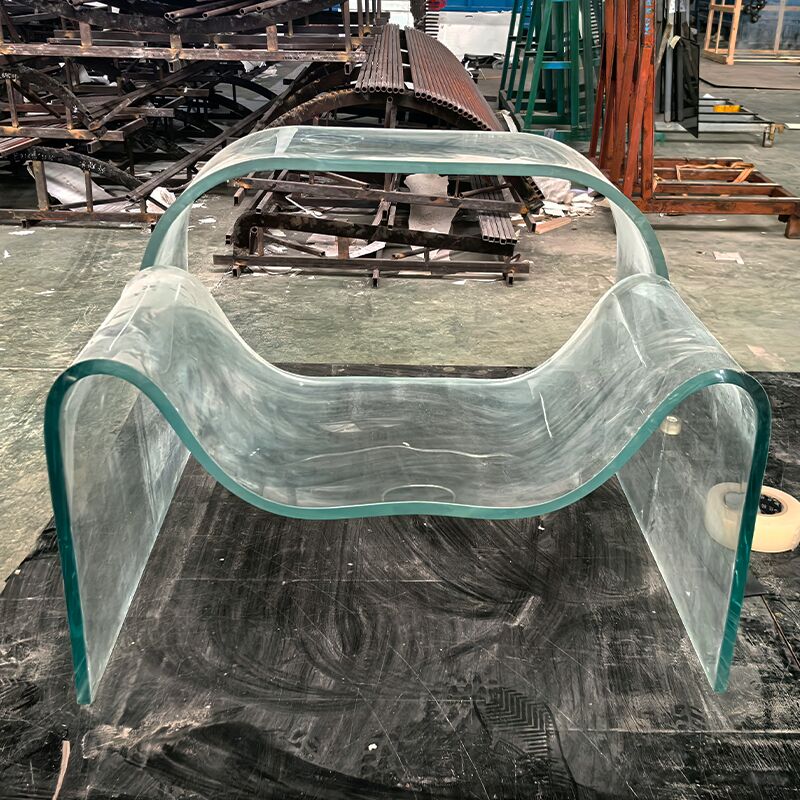
द घुमावदार कांचयहाँ प्रदर्शित फर्नीचर निर्बाध एकीकरण का उदाहरण है ग्लासकला और फर्नीचर डिजाइन.घुमावदार कांच, डिजाइन पारंपरिक धातु या लकड़ी के फ्रेम की आवश्यकता को समाप्त करता है, इसके बजाय संरचना और आराम दोनों प्रदान करने के लिए सामग्री की अंतर्निहित ताकत और घुमावदार रूप पर भरोसा करता है।प्रत्येक चाप और संक्रमण उन्नत की सटीकता को दर्शाता हैग्लासझुकने की तकनीकें।
(1) रूप और डिजाइनः वक्रता के माध्यम से न्यूनतम सौंदर्य
यह घुमावदार कांचफर्नीचर की कल्पना एक टुकड़े का उपयोग करते हुए "सीमाहीनता" की अवधारणा के आसपास की गई है।झुका हुआनिर्माण जो एक निरंतर, अखंड सतह सुनिश्चित करता है. सामने से, चिकनी घुमावदार रेखाएं ऊपर से आधार तक फैली हुई हैं, जो स्वाभाविक रूप से पीठ और आर्मरेस्ट के समोच्च को बनाती हैं।इन वक्रों को एर्गोनोमिक सिद्धांतों के अनुरूप बनाया गया है, लंबे समय तक बैठे रहने के लिए आरामदायक समर्थन प्रदान करता है।
पक्ष से, लहराती प्रोफाइलघुमावदार कांचयह परतबद्ध वक्रता न केवल दृश्य आकर्षण को जोड़ती है बल्कि फर्नीचर को एक वायुमय, लगभग भारहीन गुणवत्ता भी देती है।इसे अंतरिक्ष के भीतर एक मूर्तिकला की स्थापना के रूप में दिखाई देता है.
पारदर्शिताग्लासयह फर्नीचर को अपने परिवेश के साथ सहजता से सामंजस्य बनाने की अनुमति देता है, जिससे दृश्य भारीपन से बचा जाता है। चाहे वह एक न्यूनतम सफेद इंटीरियर में रखा गया हो या एक औद्योगिक शैली की सेटिंग जिसमें उजागर बनावट हो,घुमावदार कांचफर्नीचर एक आकर्षक केंद्र बिंदु के रूप में कार्य करता है जबकि एक सूक्ष्म उपस्थिति बनाए रखता है, प्रमुखता और एकीकरण का संतुलन प्राप्त करता है।
(2) सामग्री और बनावटः शुद्ध कांच, उच्च सौंदर्यशास्त्र
इन फर्नीचर का सार इनकी गुणवत्ता में निहित है। घुमावदार कांचउच्च शुद्धता स्पष्ट ग्लास इसकी असाधारण स्पष्टता और प्रकाश-प्रसारण गुणों के लिए चुना जाता है। सावधानीपूर्वक पीसने और चमकाने के बाद, सतह अविश्वसनीय रूप से चिकनी और चिंतनशील हो जाती है,प्रकाश पारगम्यता 90% से अधिक के साथजैसे ही प्रकाश से गुजरता हैग्लास, यह धीरे-धीरे फैलता है, जो नरम, फैली हुई रोशनी पैदा करता है जो स्थानिक गहराई और वातावरण को बढ़ाता है।
की प्राकृतिक शुद्धताग्लास, तरल वक्रों के साथ संयुक्त, अत्यधिक सजावट या रंग की आवश्यकता को समाप्त करता है।डिजाइन न्यूनतमता और परिष्कार की भाषा व्यक्त करने के लिए सामग्री की आंतरिक सुंदरता पर निर्भर करता है.
इसके सौंदर्य आकर्षण के अलावा, घुमावदार कांच इसके प्रभाव प्रतिरोध मानक फ्लैट की तुलना में तीन से पांच गुना अधिक हैग्लासटूटने की संभावना नहीं होने पर,ग्लासछोटे, गोल टुकड़ों में फ्रैक्चर, चोटों के जोखिम को कम करने के लिए। सतह को खरोंच और पहनने के लिए प्रतिरोधी उपचार भी किया जाता है, जिससे यह सुनिश्चित होता है कि फर्नीचर समय के साथ अपनी प्राचीन पारदर्शिता बनाए रखता है,इस प्रकार दीर्घकालिक स्थायित्व के साथ दृश्य सौंदर्य को जोड़ती है.
(3) विस्तृत शिल्प कौशल: हर पहलू में शिल्प कौशल
वास्तविक गुणवत्ताघुमावदार कांचफर्नीचर अक्सर अपने विवरण में पता चलता है।ग्लासएक चिकनी, गोल परिष्करण प्राप्त करने के लिए सटीक रूप से चम्फर्ड और पॉलिश किया जाता है जो स्पर्श करने के लिए सुखद लगता है और तीक्ष्णता को समाप्त करता है, जिससे सुरक्षा और समग्र परिष्कार में वृद्धि होती है।
की सटीकता झुका हुआप्रोफाइल महत्वपूर्ण है; प्रत्येक वक्र को अचानक कोणों के बिना स्वाभाविक रूप से संक्रमण करना चाहिए, मोल्ड डिजाइन की सटीकता और झुकने की प्रक्रिया की कौशल का प्रमाण।फर्नीचर के आधार को एंटी स्लिप पैडिंग के साथ इलाज किया जाता है, स्थिर प्लेसमेंट सुनिश्चित करते हुए सीधे संपर्क को रोकते हुए ग्लासये विचारशील विवरण सामूहिक रूप से उत्पाद की प्रीमियम भावना और दीर्घायु में योगदान करते हैं।
3घुमावदार ग्लास फर्नीचरः उच्च स्थानिक डिजाइन के लिए बहुमुखी अनुप्रयोग
इसके विशिष्ट रूप और सामग्री विशेषताओं के लिए धन्यवाद, घुमावदार कांचफर्नीचर पारंपरिक उपयोग परिदृश्यों से परे है। यह आवासीय, वाणिज्यिक और प्रदर्शनी वातावरण के लिए समान रूप से उपयुक्त है,प्रत्येक को अपनी अनूठी सौंदर्य उपस्थिति के साथ समृद्ध करना और कलात्मक क्षमता को उजागर करनाग्लास.
(1) आवासीय स्थानः प्रकाश, हवा भरा रहने का वातावरण बनाना
समकालीन घरों के डिजाइन में सादगी और पारदर्शिता को बहुत महत्व दिया जाता है, और घुमावदार कांच के फर्नीचर इस प्रवृत्ति के साथ पूरी तरह से मेल खाते हैं। घुमावदार कांचकुर्सी या कुर्सी में हल्कापन का एक तत्व शामिल है, जो कपड़े के सोफे और लकड़ी के कॉफी टेबल को पूरक करता है ताकि एक ताजा, आमंत्रित वातावरण बनाया जा सके।
गृह कार्यालयों या अध्ययनों में, एकघुमावदार कांचशीशे के डेस्क के साथ जुड़ी कुर्सी खुलेपन की भावना को बढ़ाती है, जिससे अंतरिक्ष कम सीमित महसूस होता है और एकाग्रता और रचनात्मकता के लिए अधिक अनुकूल होता है।
बालकनी पर,घुमावदार कांचबैठने की जगह, हरियाली के साथ संयुक्त, आराम करने और प्राकृतिक दृश्यों का आनंद लेने के लिए एक शांत पलायन में क्षेत्र को बदल देता है। कांच की पारदर्शिता सूर्य के प्रकाश के प्रवेश को अधिकतम करती है,अंतरिक्ष को रोशन करना और बाहरी वातावरण के साथ संबंध को बढ़ावा देना.
छोटे रहने वाले स्थानों के लिए, घुमावदार कांचइसकी पारदर्शी प्रकृति दृश्य अवरोध से बचती है, जिससे कमरे लकड़ी या धातु जैसी ठोस सामग्री से बने फर्नीचर की तुलना में बड़े और अधिक विशाल दिखते हैं।इस प्रकार,घुमावदार कांच कम से कम दृश्य पदचिह्न के साथ कार्यात्मक उपयोगिता और सौंदर्य वृद्धि दोनों को प्राप्त करता है।
(2) वाणिज्यिक स्थानः परिष्कृत ब्रांड पहचान बनाना
वाणिज्यिक डिजाइन में,घुमावदार कांचकैफे और मिठाई की दुकानों में, फर्नीचर वातावरण को परिभाषित करने और ब्रांड की छवि को मजबूत करने में महत्वपूर्ण भूमिका निभाता है।घुमावदार कांच धातु या लकड़ी के उच्चारण के साथ जोड़ी गई कुर्सियां और बार स्टूल, युवा उपभोक्ताओं को आकर्षित करने वाली एक स्टाइलिश और समकालीन सेटिंग बनाते हैं।
उच्च अंत फैशन बुटीक या सौंदर्य दुकानों में,घुमावदार कांचडिस्प्ले स्टूल और लाउंज चेयर सामान को पूरक बनाते हैं, जिससे लक्जरी और परिष्कृतता की समग्र धारणा बढ़ जाती है।
होटल और क्लबों में,घुमावदार कांच लॉबी और लाउंज में फर्नीचर आकर्षक कलात्मक टुकड़े के रूप में कार्य करते हैं जो लालित्य और परिष्कार को व्यक्त करते हैं, जिससे मेहमान आरामदायक बैठने का आनंद लेते हुए अंतरिक्ष के डिजाइन की सराहना कर सकते हैं।
(3) कला प्रदर्शनी: कला के माध्यम के रूप में कांच का प्रदर्शन
कला दीर्घाओं और डिजाइन प्रदर्शनी के भीतर,घुमावदार कांचफर्नीचर न केवल बैठने के लिए बल्कि कलात्मक अभिव्यक्ति के लिए एक माध्यम के रूप में कार्य करता है।घुमावदार कांचटुकड़ा प्रकाश और छाया के साथ बातचीत करता है, जिससे गतिशील दृश्य प्रभाव उत्पन्न होते हैं जो सामग्री की पारदर्शिता और घुमावदार रूप को उजागर करते हैं।
आगंतुक फर्नीचर की कार्यक्षमता का अनुभव कर सकते हैं और साथ ही साथ कला के साथ जुड़ सकते हैं।ग्लासकारीगरी, उपयोगिता और कलात्मक स्थापना के बीच की सीमाओं को धुंधला कर रही है।
4घुमावदार कांच: भविष्य के स्थानिक डिजाइन के लिए एक मूल सामग्री
जैसे-जैसे डिजाइन अवधारणाएं विकसित होती जाती हैं, स्थानों से अपेक्षा की जाती है कि वे केवल कार्यक्षमता से परे भावनात्मक और सौंदर्य संबंधी जरूरतों को पूरा करें। घुमावदार कांच, अपनी बहुमुखी प्रतिभा, सुरक्षा और दृश्य अपील के साथ, भविष्य के इंटीरियर डिजाइन में एक परिभाषित सामग्री बनने के लिए अच्छी तरह से तैनात है।
विनिर्माण प्रौद्योगिकी में प्रगति निरंतर सटीकता, दक्षता और ताकत में सुधार कर रही हैघुमावदार कांचडिजाइनरों के साथ-साथ डिजाइनरों के बीच नवाचारों के संयोजन की भी खोज की जा रही है।घुमावदार कांचधातु, लकड़ी और पत्थर जैसी सामग्रियों के साथ, विभिन्न प्रकार के उत्पादों का परिणाम जो विशिष्ट बनावट और दृश्य विशेषताओं को मिलाते हैं।
अनुप्रयोगों की सीमा घुमावदार कांचजैसे-जैसे यह विभिन्न डिजाइन विषयों में अधिक एकीकृत होता जा रहा है,ग्लास एक कार्यात्मक सामग्री से स्थानिक अभिव्यक्ति के लिए एक प्रमुख माध्यम में बदल रहा है.
द घुमावदार कांचयहां चर्चा की गई फर्नीचर तकनीकी नवाचार और डिजाइन सौंदर्यशास्त्र के आदर्श संश्लेषण का प्रतिनिधित्व करती है। ग्लास मुख्य सामग्री के रूप में और मूलभूत डिजाइन तत्व के रूप में वक्रता को गले लगाते हुए, यह फर्नीचर निर्माण की पारंपरिक धारणाओं को चुनौती देता है।घुमावदार कांच का आकार और भी सुंदर होता रहेगा।, व्यक्तिगत, और भावनात्मक रूप से प्रतिध्वनित रहने और काम करने के वातावरण, कला की अनुमति देता हैग्लास रोजमर्रा के जीवन में प्रवेश करने के लिए।
5निष्कर्ष
घुमावदार कांचका कलात्मक पुनर्जन्म हैग्लासउच्च तापमान का उपयोग करके एक उपकरण के रूप में और एक कैनवास के रूप में मोल्ड का उपयोग करके, कारीगर कठोर ग्लासद्रव, सुरुचिपूर्ण रूपों में, सामग्री एक अद्वितीय जीवन शक्ति के साथ endowing।घुमावदार कांचफर्नीचर एक कार्यात्मक वस्तु से अधिक है; यह एक कलाकृति है जिसमें परिष्कृत शिल्प कौशल और आगे की सोच वाला डिजाइन शामिल है।
अपनी पारदर्शी शुद्धता के साथ,ग्लासप्रकाश और अंतरिक्ष की सूक्ष्म सुंदरता को पकड़ता है। घुमावदार वक्रों के माध्यम से, यह एक न्यूनतम लेकिन अभिव्यंजक डिजाइन दर्शन व्यक्त करता है। और विस्तार के लिए सावधानीपूर्वक ध्यान के माध्यम से,यह गुणवत्ता के लिए एक समझौता नहीं करने की खोज का प्रदर्शन करता है.
तेजी से बढ़ती दुनिया में,घुमावदार कांचफर्नीचर शांतता और दृश्य सुख के क्षण प्रदान करता है, लोगों को नाजुक कलात्मकता की सराहना करने के लिए आमंत्रित करता हैग्लासजैसे-जैसे प्रौद्योगिकी प्रगति करती है और रचनात्मक सीमाएं विस्तार करती हैं,ग्लास निश्चित रूप से स्थानिक डिजाइन में चमकती रहेगी औरघुमावदार कांच फर्नीचर परिष्कृत स्वाद और अभिनव जीवन का प्रतीक बने रहेगा, जोग्लासदैनिक जीवन के हर पहलू में।

